
Know the Lake Before You Go
Lake Superior is breathtaking and powerful. A little knowledge goes a long way toward a safe, joyful visit.
About Lake Superior
Lake Superior is the largest of the Great Lakes by surface area — and one of the most wild. Its waters are cold year-round, its weather can shift without warning, and its shoreline stretches over 2,700 miles. It is not a tame lake. That is exactly what makes it extraordinary.
The North Shore of Minnesota runs from Duluth to the Canadian border, offering some of the most dramatic scenery in the Midwest: basalt cliffs, cobblestone beaches, river gorges, and forests that meet the water's edge. This is where Shoreline Reset calls home.
31,700 sq mi
Surface Area
Largest freshwater lake by surface area in the world
1,332 ft
Max Depth
Cold and deep — water temperature rarely exceeds 55°F
2,726 mi
Shoreline
Including islands — more than the distance from NYC to LA
34–55°F
Water Temp
Cold enough to be dangerous even in summer
Beach Rules & Etiquette
Most beaches along the North Shore are managed by state parks, national forests, or local municipalities. Rules vary by location — always check signage when you arrive.
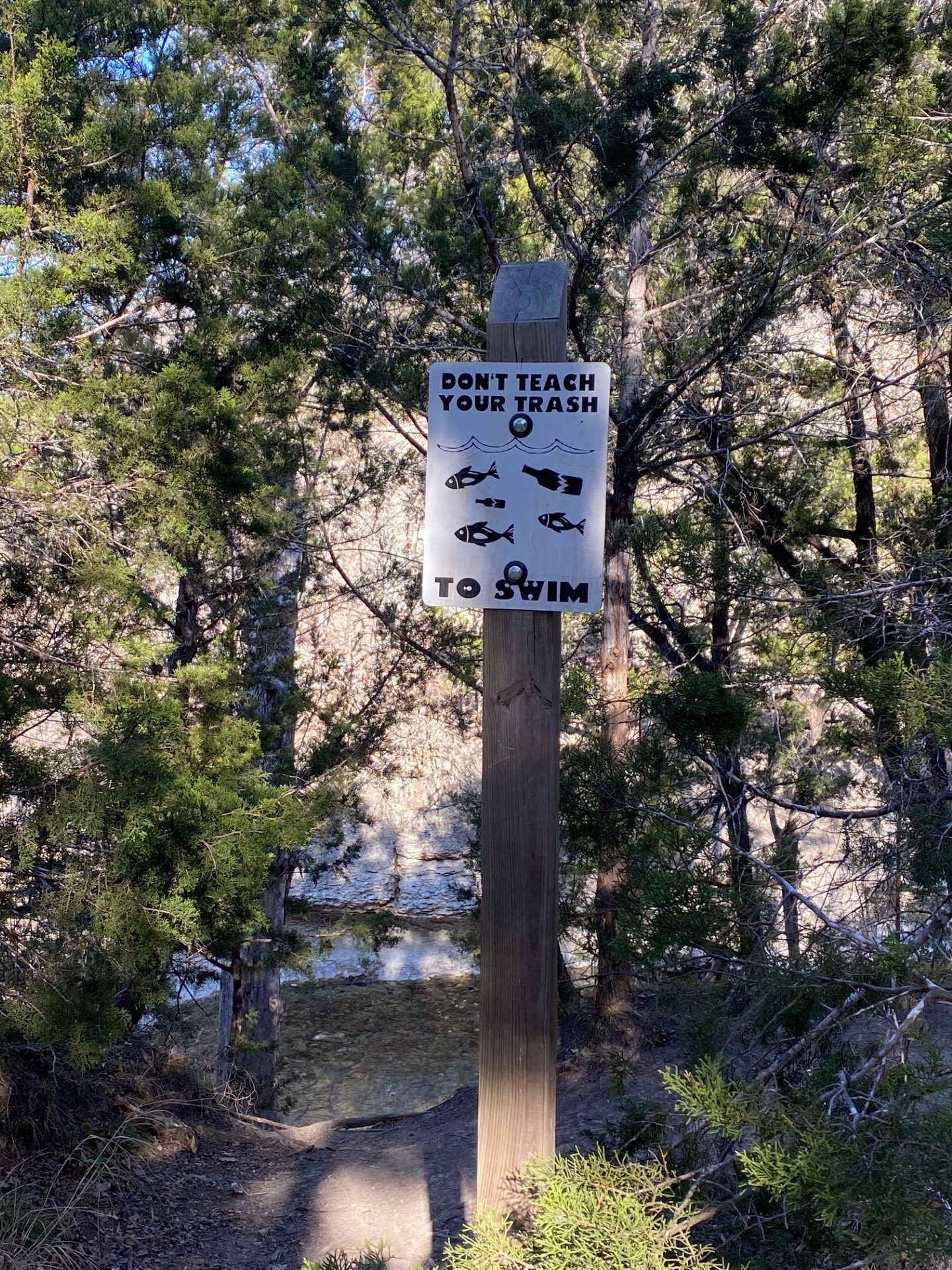
Leave No Trace
Pack out everything you bring in. This includes food scraps, fishing line, and any trash. The shore stays beautiful because people care for it.
Fires & Camping
Open fires are only permitted in designated fire rings. Many beaches prohibit fires entirely. Check current fire restrictions before your visit, especially in dry conditions.
Pets on Leash
Dogs are welcome on most North Shore beaches but must be kept on a leash (6 ft or less). Clean up after your pet. Some state park beaches restrict pets entirely.
Rock & Artifact Collection
Collecting rocks is generally permitted on public beaches in small quantities for personal use. Collection is prohibited in state parks and national park areas. Always verify local rules.
Respect Wildlife
Shorebirds nest on beaches in spring and summer. Stay back from nesting areas and never feed wildlife. Observe from a distance.
Parking & Access
Many North Shore access points require a Minnesota State Park vehicle permit. Day passes are available at park entrances. Plan ahead on busy summer weekends.
Water Safety on Lake Superior
Lake Superior demands respect. Its cold water, sudden storms, and powerful currents have claimed lives. These are not scare tactics — they are the facts that keep you safe.
Cold Water Shock
Even in August, Lake Superior averages 55°F or colder. Sudden immersion can cause cold water shock — involuntary gasping, hyperventilation, and muscle failure within minutes. Never wade or swim alone.
Rogue Waves
Sleeper waves can appear without warning, even on calm days. Never turn your back on the lake. Keep children and pets well back from the water's edge on rocky shores.
Weather Changes Fast
Storms can build in under an hour on Superior. Check the forecast before you go, watch the sky while you're there, and head for shelter at the first sign of lightning.
Swim in Designated Areas
If you swim, do so only at beaches with lifeguards or designated swimming areas. Avoid swimming near river mouths, where currents are unpredictable.
Tell Someone Your Plans
Before any hike or extended beach visit, tell someone where you're going and when you expect to return. Cell service is spotty along much of the North Shore.
Sun & Wind Exposure
The open shore offers little shade. Bring sunscreen, a hat, and layers — wind off the lake can make temperatures feel 10–15 degrees colder than the air temperature.
Ready to Find Your Reset?
Now that you know the lake, come experience it. The shore is patient. It will be there when you arrive.